
Walking into a club on a Tuesday arvo, you want the machines humming and the Keno board lit up, not a dead room where the only action is the coffee machine. For punters hunting a keno near me venue, the difference between a place that feels like part of the neighbourhood and one that just ticks a compliance box comes down to foot traffic, machine freshness, and whether the staff treat you like a regular or a passing tourist. We spent time watching how these spaces operate across the eastern states, and the pattern is clear: the venues that keep people coming back are the ones that treat Keno as a social habit, not a slot machine in disguise. If you are sorting through options after a long week, knowing what separates a genuine local haunt from a sterile gambling hall saves you time and keeps your money where it belongs.
How the floor actually feels when you walk in
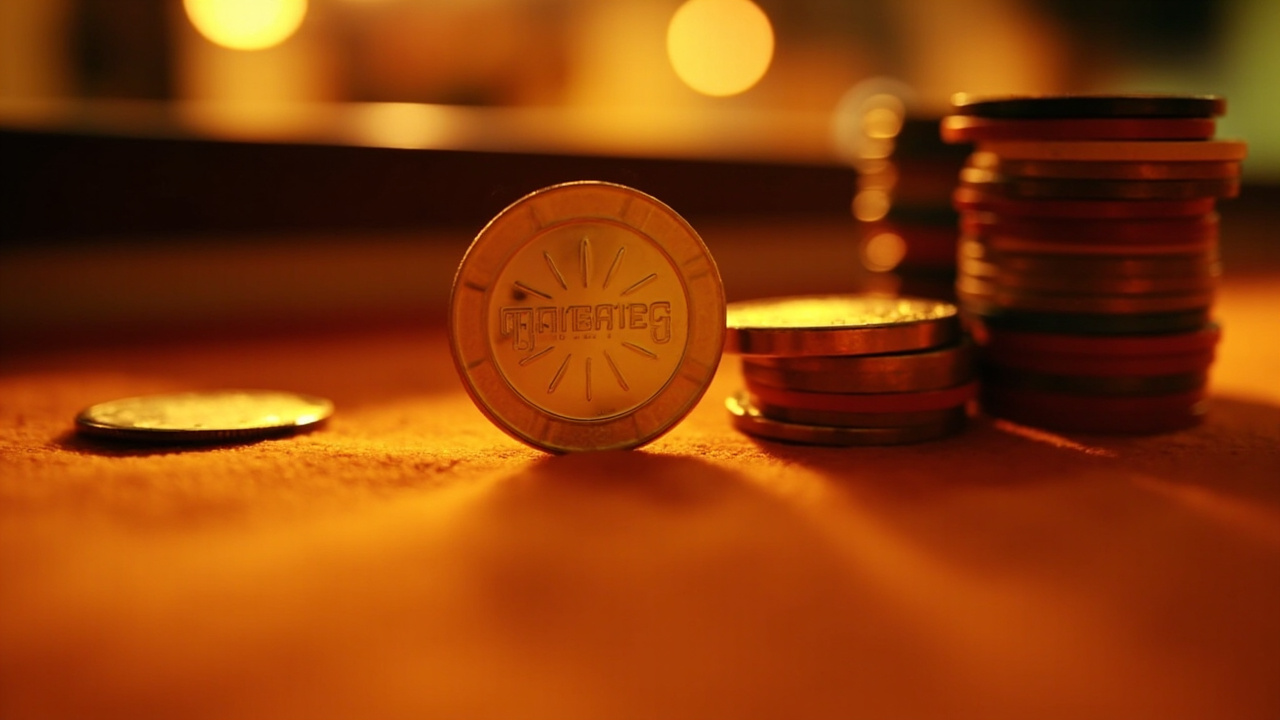
A proper local venue greets you with familiar faces and a layout that makes sense the first time you step through the door. You should not need a map to find the Keno terminal or the lounge where the draws are shown on the big screen. The best spots keep the lighting warm rather than clinical, and the sound profile stays conversational instead of a wall of electronic noise that drives you back to the car. In Geelong, the older sports clubs have kept their Keno rooms tucked near the bistro, which means you can grab a meal and watch a draw without feeling like you have crossed into a different building. That kind of integration matters because it signals the venue sees Keno as part of the overall experience, not a standalone revenue box shoved in a corner. When the floor is busy as a lunchtime queue at a servo, you know the place has genuine local pull rather than a marketing budget pretending otherwise.
The draw, the pace, and the psychology behind the tickets
Keno moves at a pace that suits a casual punter who wants a ticket on the board without committing to a long session at a machine. You pick your numbers, drop your coin, and wait for the draw to cycle through the display. The trick is that the game leans heavily on the loss aversion instinct, with near miss outcomes that feel like almost-wins and keep you buying another strip without thinking too hard about the maths. A well-run venue keeps the draw visible and the pace steady, so you can see the results without feeling rushed or, worse, bored into chasing a pattern that is not there. Some players prefer to treat it like a social ticket, much the same way a Razz table turns the worst hand into the winning one, flipping the usual expectation on its head. Either way, the venue should make the mechanics transparent and let you walk away when the arvo has had enough, not trap you in a rhythm that feels harder to break than it should.
That same laid-back rhythm is exactly what draws players to https://mobiltoyotatangerang.com/en-au3/ when they want a quick outing without the hassle of a full schedule. Whether you are watching the numbers flash or simply browsing for a reliable daily drive, the focus remains on effortless enjoyment. It is a straightforward way to pass the time without overcomplicating the experience.
Payments, loyalty, and the everyday usability of the room
A keno near me venue earns its keep when the practical stuff works without friction. That means tickets print cleanly, the payout window is open when you need it, and the loyalty scheme actually rewards a regular visit rather than a one-off splash. You want a system that tracks your play in a straightforward way, with points or comps that make sense for the volume you put through, not a convoluted points maze that only pays out for high rollers. The payment side should be plain and local: cash still rules in many rooms, but the venues that have added contactless or card options without making the process clunky are the ones keeping the crowd steady. Support on the floor matters too, because a staff member who can explain a payout or a draw without making you feel like you have asked a foolish question is worth more than a glossy brochure. If the room feels built around the person buying the ticket rather than the machine taking it, you have found a spot worth returning to.
Local character and why it changes the experience
The character of the neighbourhood bleeds straight into how a venue runs, and that is where a place like a Geelong club carries a different weight than a sterile inner-city room. Local venues tend to keep their pricing, their draw times, and their atmosphere tuned to the crowd that actually walks in, which means the experience feels less like a national template and more like something shaped by the people who use it. That local tuning shows up in small ways: the way the draw is announced, the timing that fits around shift work and weekend footy, and the way the room handles a busy Friday without turning into a scramble. You can tell a lot by whether the venue treats Keno as a genuine part of its offering or as a compliance checkbox with a screen and a printer. When the room has a clear identity and the staff know the regulars, the whole thing operates with a fair go that keeps people coming back without feeling sold to.
If you are weighing up a keno near me venue, the test is simple: does it feel like a place you can slip into on a quiet weeknight and come out feeling like you had a proper session, or does it feel like a transaction dressed up as entertainment? The venues that last are the ones that keep the draw visible, the floor sensible, and the local character intact, so you can judge the experience on its own terms rather than on a promise that does not hold up once you are sitting in the chair.
- Near miss: an outcome that lands just short of a win and can nudge a player to buy another ticket.
- Loss aversion: the tendency to feel losses more sharply than equivalent gains, which shapes how players chase a result.
- Razz: a lowball stud variant where the worst hand wins, used here as a contrast to usual winning expectations.
- Draw: the timed Keno result cycle that reveals the winning numbers on the board or screen.
Recent Comments