
The psychology behind winning and losing in casinos
The allure of gambling
The excitement of gambling often stems from its inherent unpredictability. Casinos create an environment filled with sensory stimulation—from flashing lights to the sounds of winning slots. This atmosphere triggers the release of dopamine, a neurotransmitter associated with pleasure. Players experience a rush that can lead to a strong desire to keep playing, regardless of past losses. For those interested in online gambling, the thrills can be just as intense, but they also come with their own unique challenges.
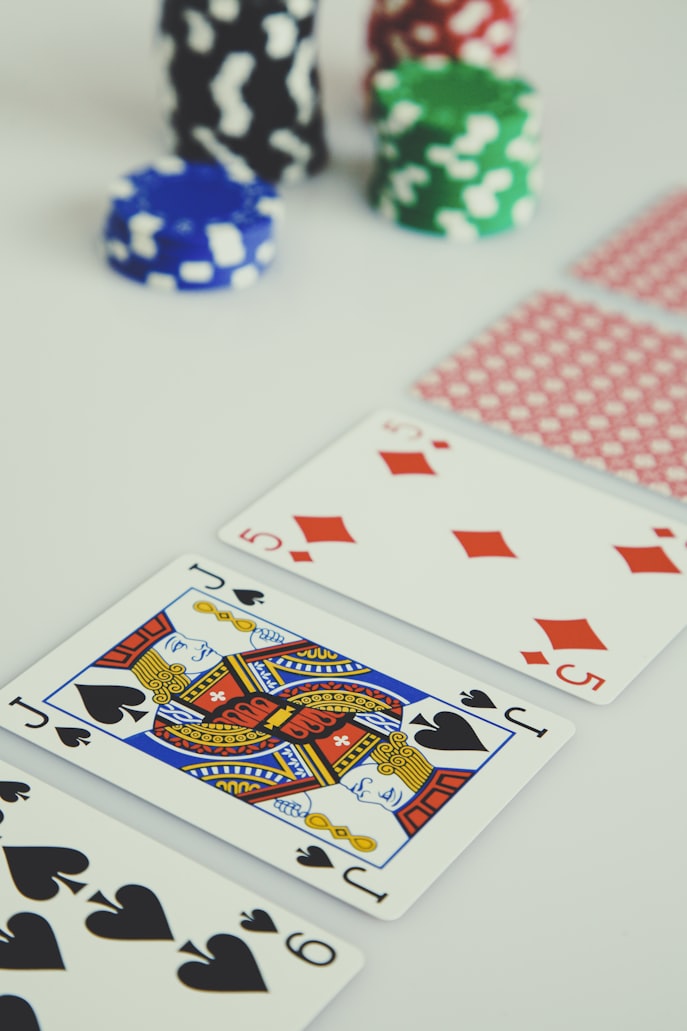
Additionally, the thrill of risk-taking captivates many gamblers. When individuals engage in risky behavior, they may feel a temporary escape from reality. The adrenaline rush can provide a sense of euphoria, leading them to chase after wins that sometimes feel just out of reach. This psychological phenomenon explains why many gamblers may find it hard to walk away, even when faced with significant losses.
The role of cognitive biases
Cognitive biases play a crucial role in the decision-making process of gamblers. For instance, the “gambler’s fallacy” leads players to believe that past outcomes will influence future results. A player may think a specific slot machine is “due” for a win simply because it has not paid out recently. This misjudgment can lead to prolonged gambling sessions, as individuals hold onto the hope of a big win.
Furthermore, confirmation bias often reinforces a gambler’s perception of their luck. Players may remember their wins vividly while quickly dismissing their losses. This selective memory can make them feel like they’re on a winning streak, compelling them to continue gambling in search of that next big win.
Strategies for improving odds
Understanding the psychology of gambling can lead to better decision-making. Setting strict budgets before entering a casino can help players manage their money wisely and reduce impulsive behavior. This pre-planned approach allows individuals to enjoy the experience without the anxiety of potential financial loss.
Moreover, choosing games with better odds can significantly impact a player’s success. For example, games like blackjack and poker involve skill and strategy, while slot machines are purely based on chance. Players who educate themselves about game mechanics and strategies often find themselves with a higher likelihood of success, allowing them to enjoy their time without succumbing to the emotional highs and lows associated with pure luck.
The impact of social dynamics
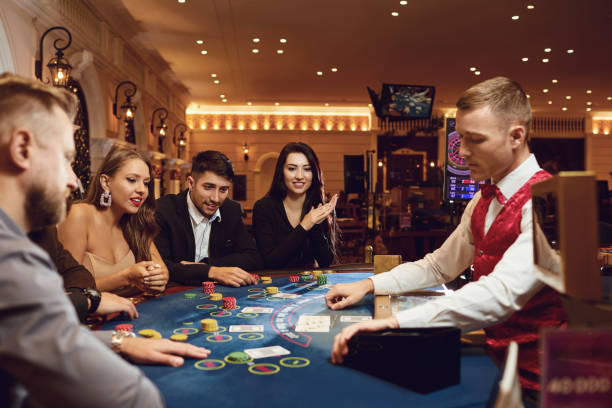
Gambling is often a social activity that affects individual psychology. The presence of friends or fellow gamblers can amplify excitement and emotional investment, leading to heightened risk-taking. Group dynamics may encourage players to gamble more aggressively, believing that their collective luck might influence the outcome.
Conversely, social pressures can also lead to detrimental decisions. For instance, fear of judgment from peers might cause individuals to continue playing even when they recognize they’re making poor choices. Understanding these social influences can help gamblers make more rational decisions and foster a healthier gambling environment.
Insights and resources
Our website serves as a valuable resource for understanding the intricacies of gambling psychology. We aim to provide informative articles, analyses, and updates on industry trends to keep our readers well-informed. By understanding the psychological elements that influence gambling behavior, players can make smarter, more strategic choices.
Whether you’re a seasoned player or new to the casino scene, our insights can help you navigate the complex world of gambling. Stay tuned for tips, tricks, and the latest news to enhance your gaming experience and ensure you approach casinos with a well-rounded perspective.
Recent Comments